
The Ultimate Guide to Reaching Key Decision-Makers in the AWS Ecosystem


Getting in front of the right people in the AWS world? That’s the real challenge. You can have the most brilliant cloud solution out there, but if you’re pitching to someone who can’t approve a coffee budget, you’re spinning your wheels.
I’ve watched countless companies struggle with this. They burn through marketing dollars trying to reach AWS decision-makers, only to end up in endless email chains with people who have zero buying power. Let’s talk about how to actually connect with the folks who matter.
Who Really Calls the Shots?
Here’s the thing about AWS decisions: they’re messy. There’s rarely one person sitting in an office saying “yes” or “no” to your solution.
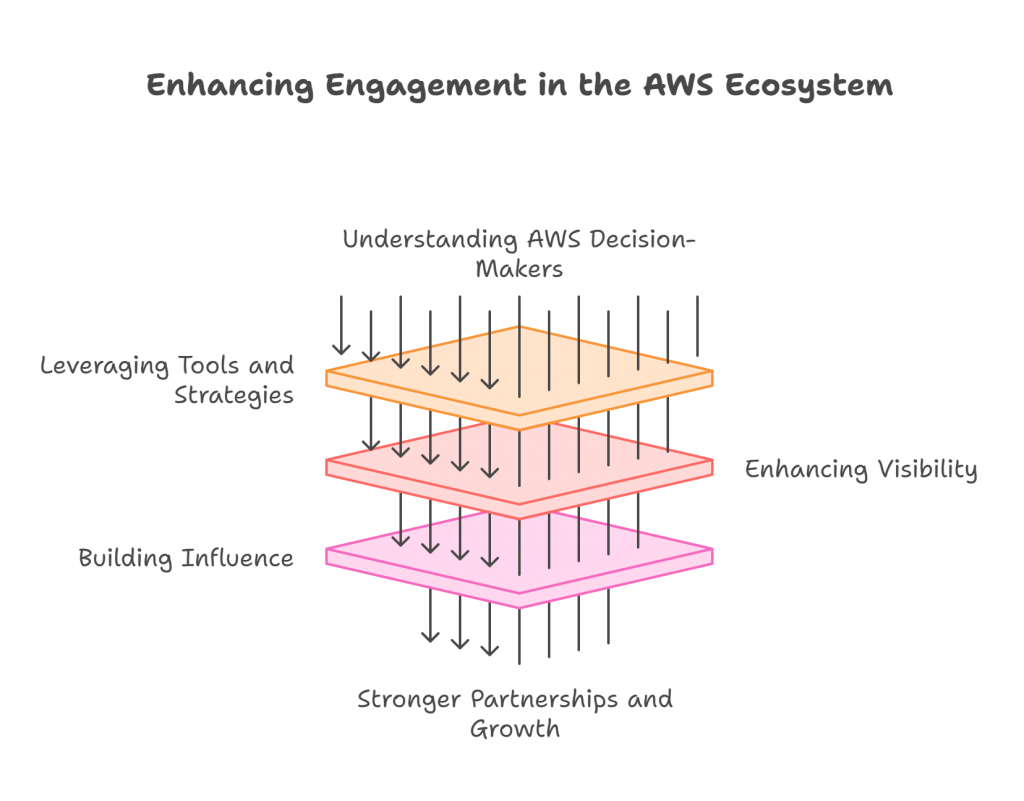
You’ve got cloud architects who care about technical elegance, DevOps teams worried about 3 AM alerts, and finance people who just want to stop the AWS bill from ballooning every month.
I learned this the hard way early in my career. Spent three months nurturing a relationship with a cloud architect who absolutely loved our product. Demo went great. Technical proof of concept was flawless.
Then nothing. Turns out, his VP had different priorities and we’d never even spoken to her.
The person who loves your product and the person who signs the check are often two different people. Sometimes they’re three different people. Wrapping your head around that reality saves you months of frustration.
Finding the Right People
LinkedIn is where you start, but you need to be smart about it. Don’t just search “AWS” and start messaging everyone.
Look for people actively engaged in the community. Who’s posting about their latest certification? Who’s sharing war stories about migrating databases or optimizing costs?
The AWS Partner Network directory is surprisingly useful. Many organizations list their technical contacts publicly.
Local AWS meetups are even better because you can actually meet people face to face, which still matters more than we like to admit.
Here’s something most people miss: look at who’s speaking at conferences or writing technical blog posts.
These folks are typically senior enough to influence decisions, and they’re already comfortable being public-facing. That makes them more receptive to genuine outreach.
Do Your Homework
Nothing kills your credibility faster than sending a generic pitch to someone whose company blog clearly states they just completed an AWS migration.
Take 20 minutes per prospect. Read their recent posts. Check their company’s tech stack. Understand what they’re actually building.
I keep a simple spreadsheet. Company name, decision-maker, what I learned about their setup, recent company news, and any mutual connections.
Sounds basic, but this prep work is what separates meetings that go somewhere from meetings that waste everyone’s time.
Pay attention to funding rounds and growth signals. A company that just raised money is probably hiring and scaling infrastructure.
That’s your window. An enterprise that just bought three competitors? They’ve got integration headaches you might be able to solve.
The Outreach That Actually Works
Cold emails work, but barely. Your subject line needs to grab attention without sounding like every other sales email they got today. Reference something specific. Not “I noticed you work in cloud computing” but rather “Saw your post about Aurora Serverless costs.”
Keep it short. Three paragraphs max. The first one explains why you’re reaching out to them specifically. The second one states the problem you solve in plain English. The third one asks for 15 minutes. That’s it.
What emails have worked best for me? The ones where I offered something valuable upfront. Maybe a relevant case study.
Sometimes, it’s just a useful observation about their tech stack with no ask attached. You’d be surprised how often that leads to a conversation.
Warm intros beat everything else by a mile. If you’ve got a mutual connection, use it. “Sarah Thompson suggested I reach out” opens more doors than any clever email copy ever will.
Show Up Where They Hang Out
AWS has one of the most active tech communities out there. Slack workspaces, Discord servers, and local meetups. These places are packed with decision-makers. But here’s the catch: you can’t just show up and start pitching.
Contribute first. Answer questions. Share something helpful. Be a real person, not a walking sales brochure.
I spent six months active in an AWS Slack community before anyone asked what I did for work. By then, I’d already built enough credibility that conversations happened naturally.
Re:Invent is obviously the big one, but regional AWS Summits are often better for actual relationship building. Smaller crowds, more intimate sessions, and easier to have real conversations. The best deals I’ve seen came from hallway chats, not booth visits.
Create Content They’ll Find
When decision-makers hit a problem at 11 PM, they Google it. Your content should be what they find.
Write about real challenges you’ve solved. Cost optimization strategies that actually worked. Security configurations that prevented incidents.
Skip the marketing fluff. Write like you’re explaining something to a colleague. Include code snippets if relevant.
Show your work. The technical depth signals that you actually know what you’re talking about.
Case studies matter more in the AWS space than almost anywhere else. But they need specifics. Which services? What was the architecture? What did it cost before and after? Vague success stories don’t cut it.
Deal with the Committee
You’ll rarely sell to just one person. Your main contact might be excited, but they need to convince their boss, who needs to convince finance, who wants IT security to review it. Understanding this chain early saves you time.
Ask directly: “Who else typically weighs in on decisions like this?” Most people will tell you. Then create materials for each stakeholder.
The technical person needs architecture details. The exec needs ROI. Finance needs clear pricing. Make it easy for your champion to sell internally.
I’ve seen deals die because nobody thought to prep the champion for internal objections. Give them everything they need to fight your battles when you’re not in the room.
Timing Matters More Than You Think
Enterprise budgets run on cycles. Hit someone in month two of a quarter when they’ve spent their budget? Good luck. Reach out during planning season? Much better odds.
Watch for changes. New funding rounds. Product launches. Acquisitions. These events create urgency and often open up the budget. A company that just acquired a competitor needs integration help right now, not next quarter.
AWS itself creates opportunities. When they announce a new service that impacts your space, decision-makers start reconsidering their options. That two-week window after a major AWS launch can be gold if you’re paying attention.
Play the Long Game
Not everyone’s ready to buy today. That’s fine. The AWS community is smaller than you think. Stay in touch. Send relevant articles occasionally. Congratulate people on promotions or company milestones. Be genuinely helpful without expecting anything back.
Some of my best customers came from relationships I nurtured for over a year. First conversation went nowhere. But I stayed helpful, shared useful stuff, and when their situation changed, I was the first person they called.
Ask for intros when it makes sense. After you’ve delivered real value, whether through a sale or just being helpful, it’s perfectly reasonable to say, “Know anyone else dealing with similar challenges?” Most people are happy to make connections if you’ve earned it.
Track What’s Working
Keep notes on what gets responses and what doesn’t. Which subject lines get opens? Which value props get meetings? You don’t need fancy analytics. A simple spreadsheet works.
Try different approaches. One month, lead with a technical insight. Next month, lead with a cost saving. See what resonates.
The AWS audience responds differently from other tech buyers, and every sub-segment within AWS has its own preferences.
When someone says no, ask why (politely). You’ll learn more from rejection than success. Maybe your timing was off. Maybe you targeted the wrong role. This feedback tightens your approach over time.
Don’t Make These Mistakes
Leading with features is amateur hour. Nobody cares that your tool uses microservices or has a React frontend. They care that it’ll stop their database from falling over during traffic spikes. Start with outcomes.
Don’t fake AWS expertise. The community talks. If you claim deep knowledge you don’t have, someone will expose it. Be honest about what you’re good at and partner with or learn from the rest.
Blasting the same email to 500 people might feel productive, but it damages your brand. Twenty personalized messages beat 500 generic ones every single time.
Just Start
You don’t need a perfect system. Pick 10 companies you’d love to work with. Research the decision-makers. Write personalized outreach that references something specific about them. Send it. See what happens.
Most people overthink this stuff. They build elaborate campaigns and automation before sending a single message. Just start talking to people. You’ll figure out what works as you go.
The AWS ecosystem keeps growing. New companies adopt AWS daily. Each one has decision-makers facing challenges you might solve. Your next big customer could be one good conversation away.
Focus on being helpful first and selling second. That’s worked for everyone I know who’s succeeded in this space. Build real relationships. The business follows.
The AWS ecosystem refers to the network of companies, partners, developers, and professionals who build, deploy, and manage solutions on Amazon Web Services. It’s important for B2B sales because AWS powers a significant portion of internet infrastructure, and organizations using AWS often need complementary tools, services, and expertise. Reaching decision-makers in this space opens doors to high-value enterprise clients who are actively investing in cloud infrastructure.
Key decision-makers typically include Cloud Architects who evaluate technical fit, VPs of Engineering who assess strategic alignment, CTOs who champion innovation initiatives, DevOps Managers who prioritize operational efficiency, and CFOs or finance leaders who control budgets and ROI requirements. In smaller organizations, technical founders or single IT leaders often make these decisions independently, while enterprise purchases involve multiple stakeholders across departments.
Start with LinkedIn by searching for titles like “AWS Solutions Architect,” “Cloud Infrastructure Lead,” “Director of DevOps,” or “VP of Engineering.” Look for people who post AWS certifications, share cloud computing content, or engage in technical discussions. The AWS Partner Network directory lists many technical contacts publicly. Attend local AWS user groups and meetups where decision-makers gather. Tools like BuiltWith or Datanyze can reveal which companies use AWS services, helping you identify potential targets.
Keep it under three paragraphs. Start with why you’re reaching out to them specifically, referencing something about their work, recent post, or company situation. Second, clearly state the business problem you solve in plain language without technical jargon or feature lists. Third, make a simple ask for 15 minutes of their time. Avoid generic pitches. Personalization matters more than clever copy, and leading with value or insight works better than immediate sales pitches.
Enterprise AWS deals typically take 3 to 9 months from first contact to signed contract. The timeline depends on solution complexity, budget cycles, and the number of stakeholders involved. Smaller companies or startups might move faster, sometimes within 4 to 8 weeks. Budget planning seasons and quarter-end timing significantly impact deal velocity. Building relationships before prospects have urgent needs often shortens the sales cycle when they’re ready to buy.